Beyond the Postcard: An Immersive Travel Guide to Guilin
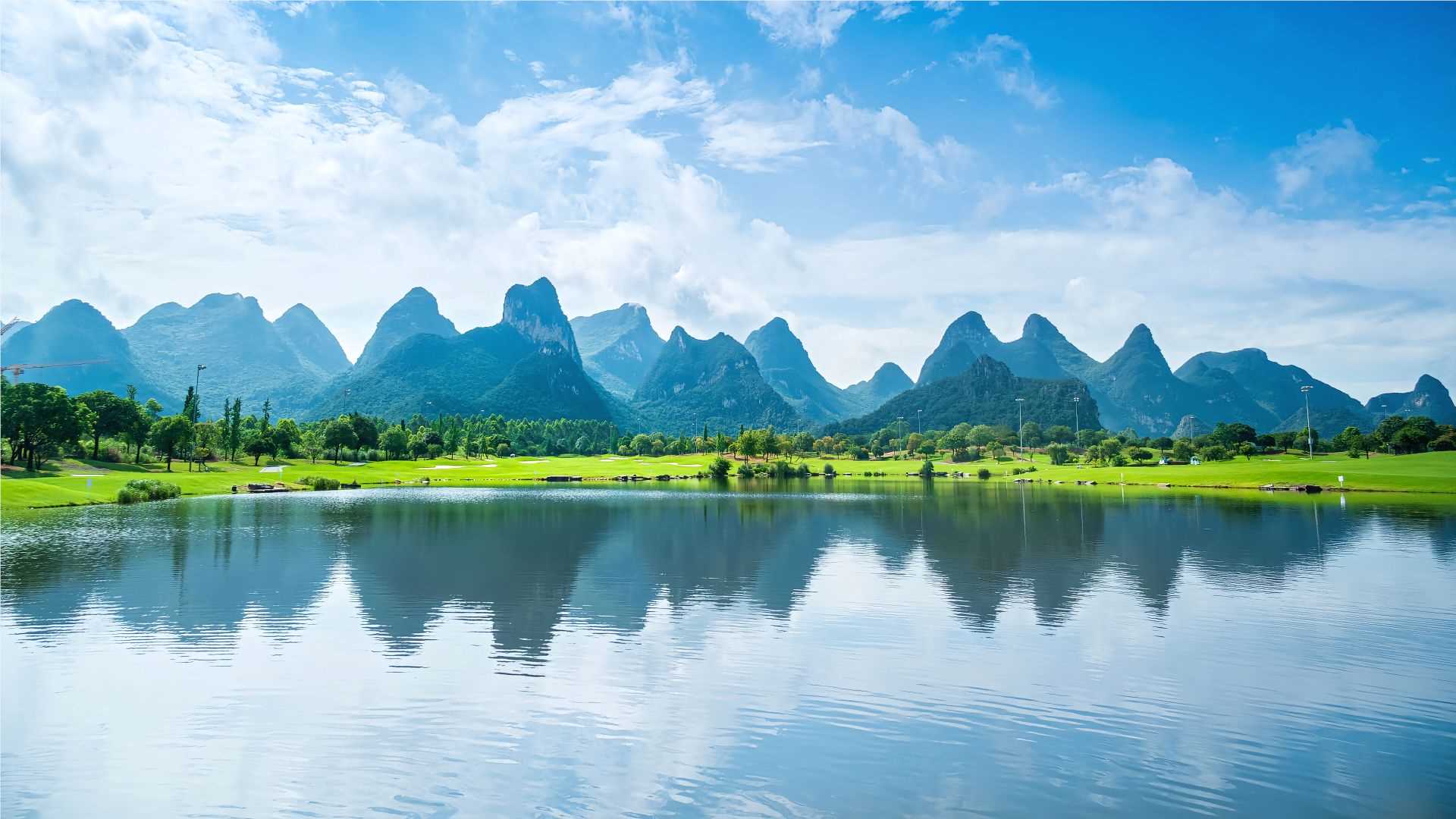
Beyond the Postcard: An Immersive Travel Guide to Guilin
Theme 1: Where the Landscape is Your Playground
-
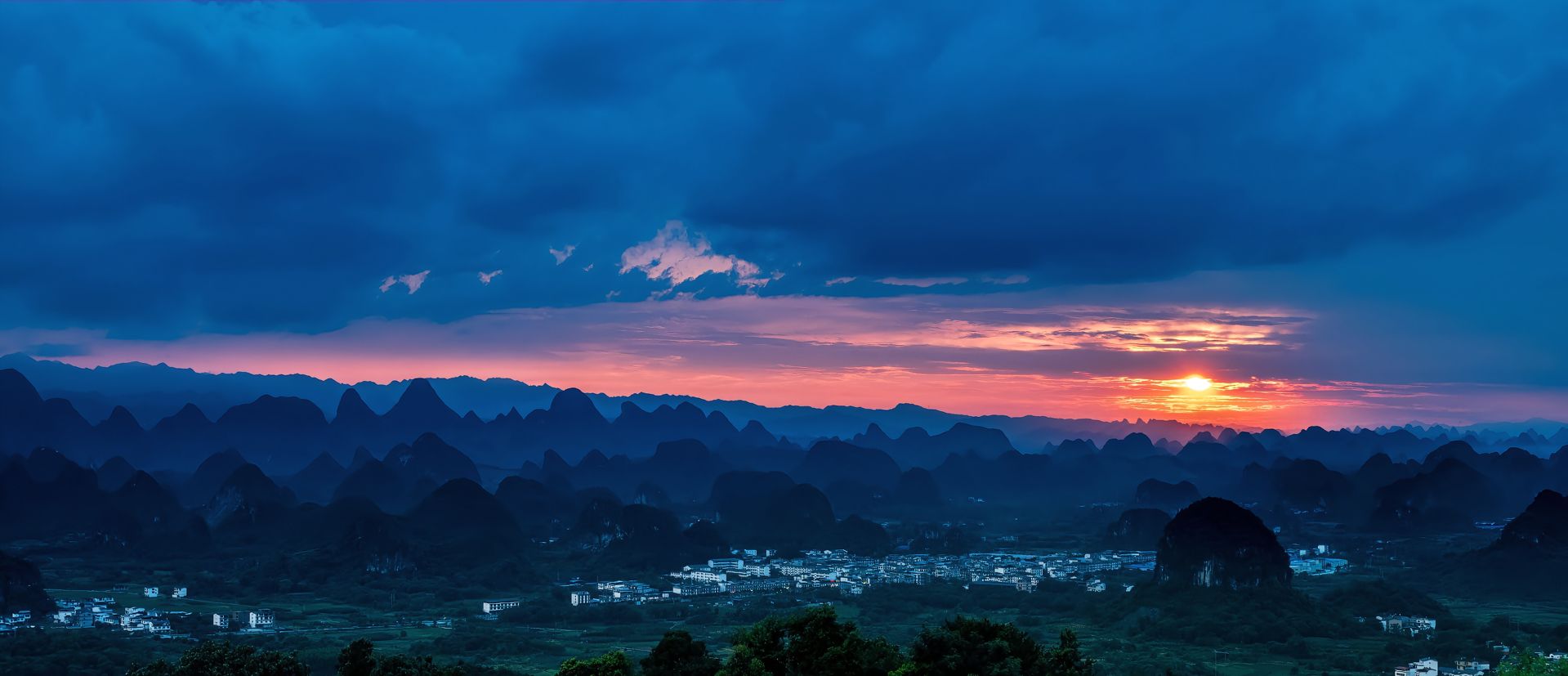
The Novel Twist: Skip the crowded Yangdi-Xingping route. Instead, start from Xingping Ancient Town and cycle upstream towards Nine Horses Fresco Hill. This quieter path offers unobstructed views of the karst peaks. At dusk, you can watch the sunset paint the famous cliff in golden light, with the serenity broken only by the sound of your bike and the river. You become an active part of the scenery, not just a passive observer.
-
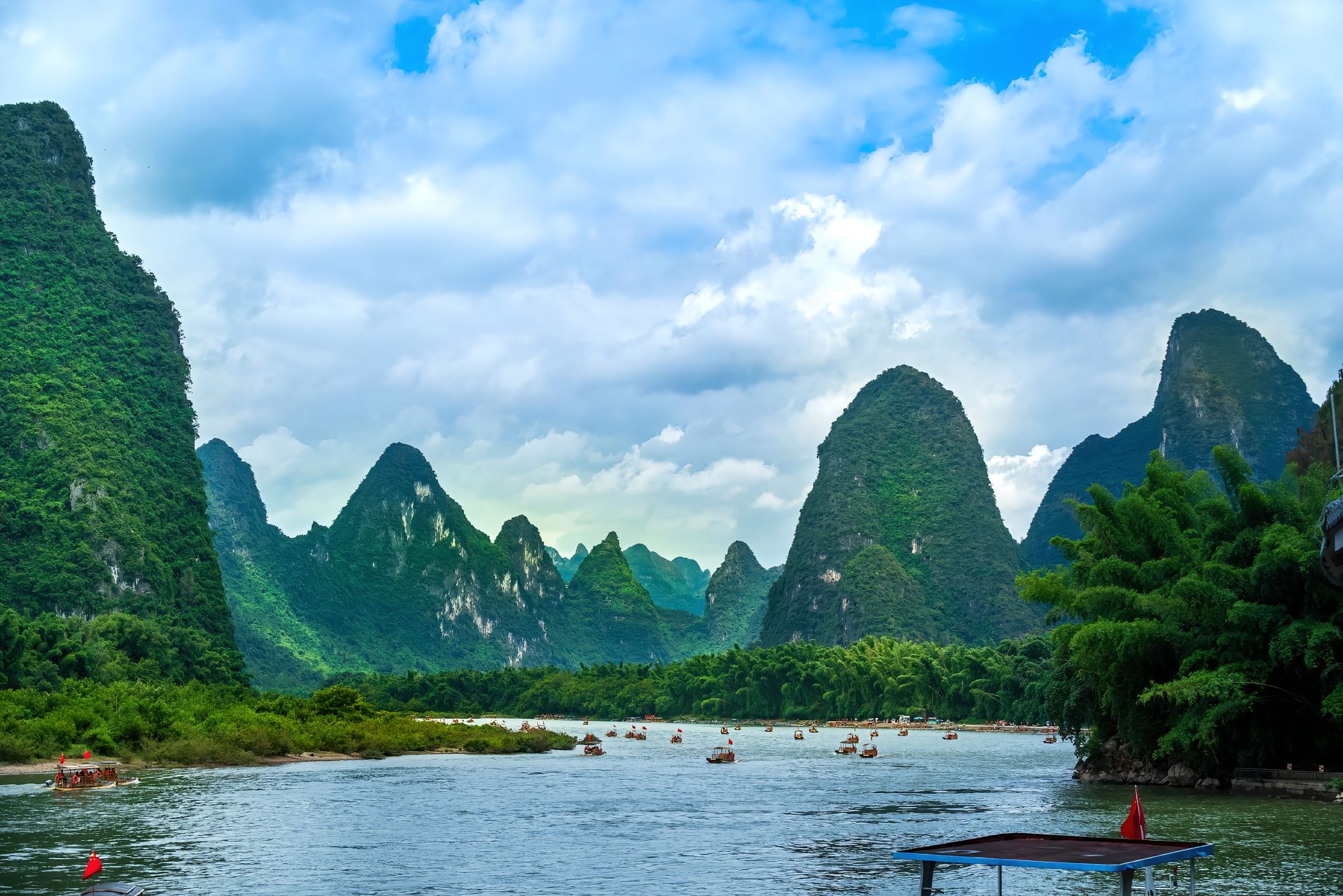
The Novel Twist: Venture beyond the official docks to a more rustic section of the Yulong River, often operated by local villagers (e.g., from Jiuxian to Xiangui Bridge). These rafts offer a more authentic experience. The boatmen, often local farmers, share stories in their distinct dialect. With no engine noise, just the dip of a bamboo pole, the tranquility is profound. You can even take a refreshing swim in the clear, shallow parts of the river.
-
The Novel Twist: For a truly breathtaking perspective, journey to Mao'er Mountain (Cat Mountain) in Ziyuan County, the highest peak in South China. Camp or stay at the summit lodge to witness a sunrise above the clouds. As the sun emerges, you'll look down on a rolling "sea of clouds" with distant peaks peeking through—a majestic, top-down view that ground-level sightseeing can't match.
Theme 2: Dive into Local Rhythms, Live Like a Local
-
The Novel Twist: Arrive at Elephant Trunk Hill before the official opening time (around 6 AM) by following locals through side paths. At this hour, free from tourist crowds, the park is a scene of pure poetry. Mist clings to the karst towers, and the Li River is mirror-still. You'll find residents practicing tai chi and washing clothes by the riverbank, witnessing the iconic scene in its most authentic, tranquil state.
-
The Novel Twist: Avoid the touristy Zhengyang Pedestrian Street and dive into Guilin's culinary heart—Taiping Road and Sihui Road. Here, decades-old family stalls rule. Hunt for a breakfast of sticky rice stuffed with crispy pork, squat on tiny stools for a bowl of mouth-numbing malatang (spicy hot pot), or drink a bitter Leigongen herbal tea for detox. This is the true flavor of the city.
-
The Novel Twist: Participate in a traditional round fan-making workshop. Under the guidance of an artisan, learn the entire process from shaping bamboo strips to mounting the silk and painting. The fan you create is more than a souvenir; it's a tangible memory of a deep cultural exchange, imbued with personal effort.
Theme 3: When Night Falls, Discover a Different Dimension
-
The Novel Twist: While the boat cruise is classic, exploring the Two Rivers and Four Lakes circuit on foot offers more freedom and intimacy. Start from Wenchang Bridge and wander the lit paths around Banyan Lake and Fir Lake. See the Sun and Moon Pagodas glowing on the water and cross ancient bridges. This allows you to set your own pace and capture details missed from the water.
-
The Novel Twist: Escape the main drag of East West Alley (Dongxi Xiang) and explore its narrower tributaries. Tucked away are chill cocktail bars, independent bookstores, and quirky cafes. Sip a local osmanthus-infused craft beer on a terrace overlooking the ancient city wall of the Prince Jingjiang Manor, experiencing a magical blend of ancient and modern.
Seasonal & Exclusive Experiences
-
Spring (Apr-May): Visit Huixian Town to see the "Glass Fields." After the spring planting, the water-filled terraces resemble vast mirrors perfectly reflecting the sky and peaks—a hidden paradise for photographers. -
Summer (Jun-Aug): Escape the heat by delving into caves like Reed Flute Cave or Crown Cave. Some host underground concerts, using the natural acoustics for a truly resonant auditory experience. -
Autumn (Sep-Nov): Take a trip to Haiyang Township, known as "China's First Ginkgo Village." You'll be surrounded by a spectacular sea of gold from countless ancient ginkgo trees. -
Winter (Dec-Feb): If you're lucky enough to encounter snow, you'll see the karst peaks dusted with white—a rare and eerily serene "Guilin in Snow" spectacle.